
Why our pili nuts take 62 hours
Like all nuts, seeds and grains, pili nuts contain phytic acid, which can make them harder to digest and may leave you feeling bloated. We sprout every batch before drying it, which helps break the phytic acid down. It takes longer, and it is all done by hand.
From tree to pouch
Every pili nut passes through many pairs of hands before it reaches you.
The tree fruits
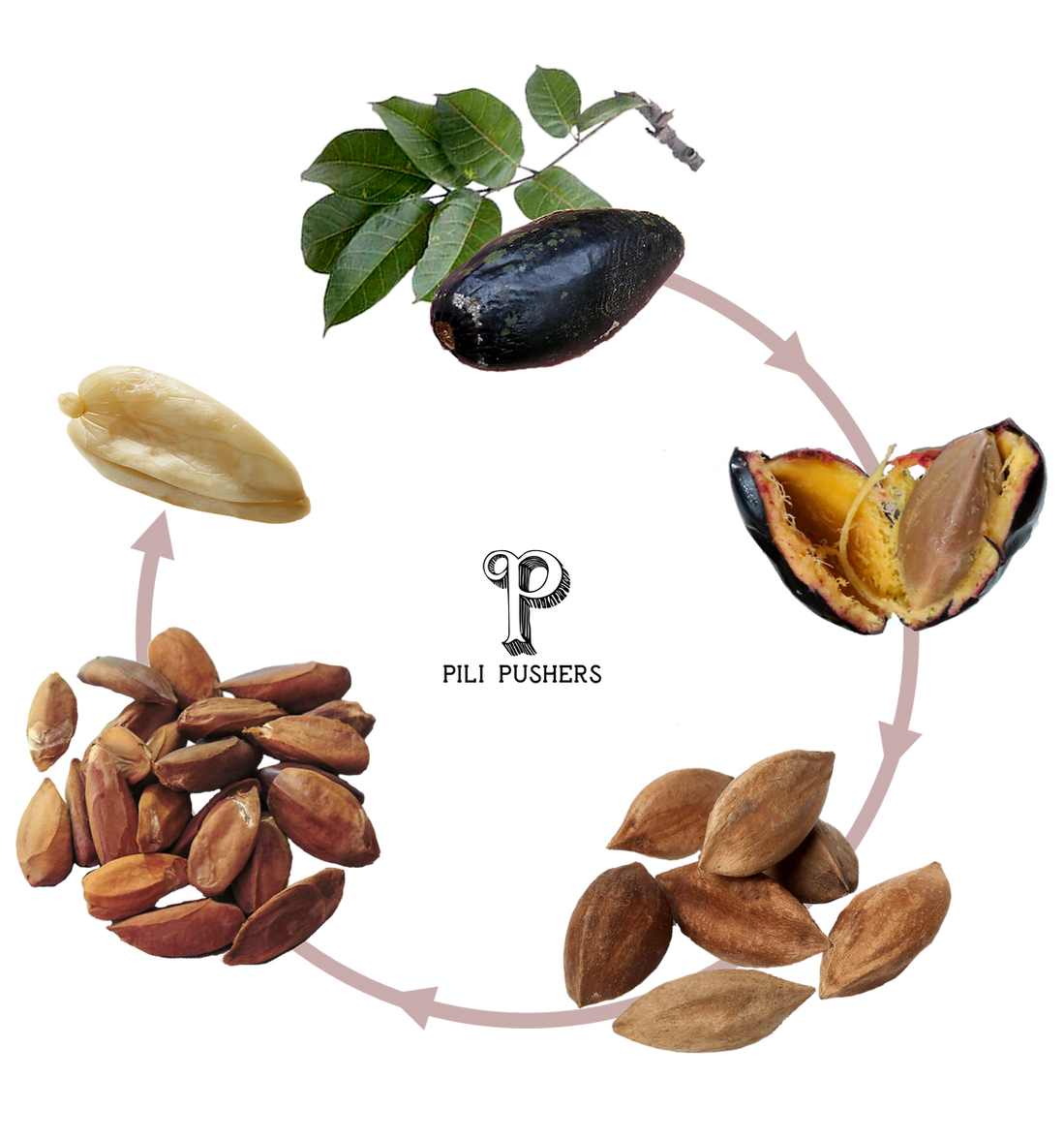
A pili tree matures for about seven years before it bears fruit. When ripe, the fruit turns dark purple and looks a lot like a giant olive.
The pulp comes off
The soft, creamy pulp is stripped away by hand to reveal the hard shell inside. In Bicol, the pulp is traditionally eaten with fish sauce.
The shell is cracked
Each shell is opened one at a time with a special knife, so the kernel inside stays whole.
The nut is activated
The kernels are sprouted to reduce their phytic acid, which makes them gentler on digestion.
62 hoursThe skin is peeled
After sprouting, the thin brown skin, called the testa, is carefully peeled off by hand.
The nuts are dried
We dry the nuts slowly over several days. They stay raw, with no preservatives or additives.
Flavours with a purpose
We choose each flavour for taste first, and for whole ingredients like cinnamon, raw honey, ginger, turmeric and raw cacao that sit well alongside a nourishing nut.
The idea is simple: a snack you genuinely enjoy that still fits the way you want to eat.
Working with families in Bicol
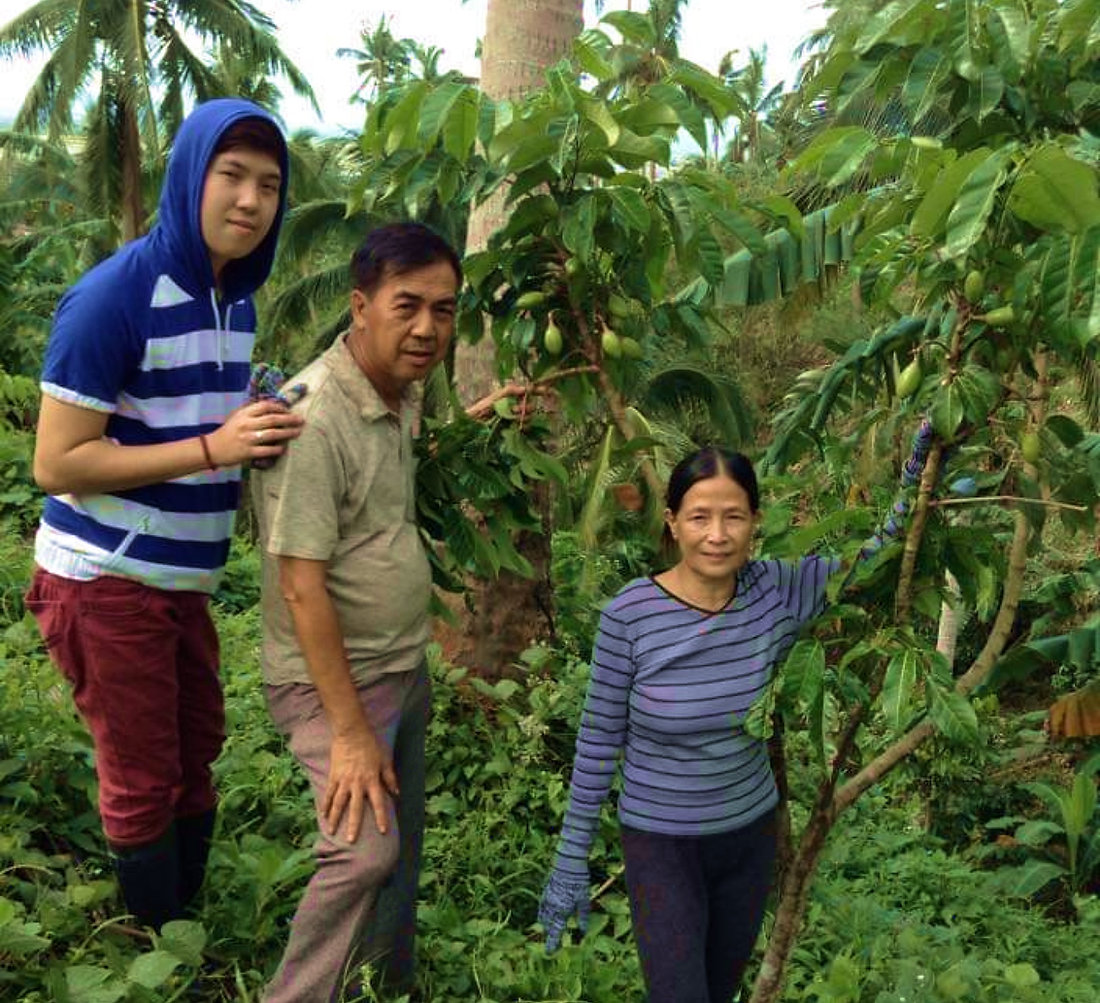
Our pili nuts come from the Bicol region, where many families have wild pili trees growing in their backyards. We buy from these families and work with local women who crack, peel and sort the nuts by hand.
That work helps put food on the table and children through school. You reap what you sow, and we want the people who grow and prepare our nuts to share in it.
Questions about our process?
We are happy to talk sourcing, wholesale or partnerships.